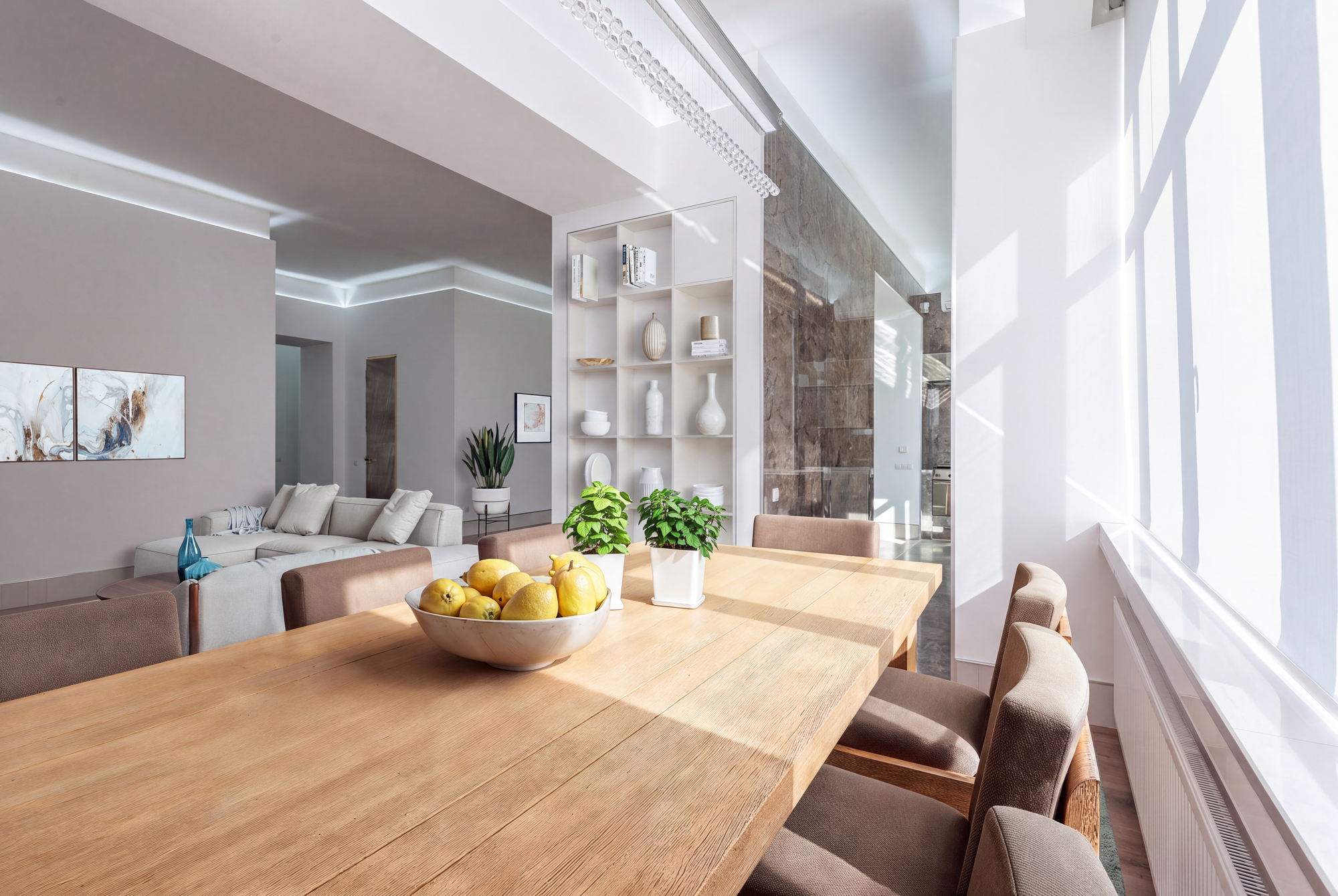
Home staging is one of the most effective ways to increase perceived property value, reduce time on market, and drive stronger offers. When done correctly, staging helps buyers emotionally connect with a space and envision themselves living there.
In this guide, we will break down proven staging best practices that real estate professionals, developers, and sellers can use to maximize value and stand out in competitive markets.
Staging is not about decoration. It is about strategic presentation.
Well staged homes:
In a digital first market where buyers scroll listings in seconds, staging often determines whether a property gets a showing at all.
Before moving furniture or adding decor, define the goal of the staging.
Ask:
A clear strategy ensures every staging decision supports the final outcome.
Clutter distracts buyers and makes rooms feel smaller.
Best practices include:
The goal is to create a neutral canvas that appeals to the widest audience possible.
Not every room needs equal attention. Prioritize the spaces buyers care about most.
Living Room
Kitchen
Primary Bedroom
These rooms heavily influence buyer perception and pricing expectations.
Lighting is one of the most overlooked staging tools.
Best practices:
Bright homes feel more inviting, spacious, and move in ready.
Bold design choices can limit buyer interest.
Stick to:
Neutral palettes help buyers imagine their own style in the space.
Oversized furniture makes rooms feel cramped. Undersized furniture makes them feel awkward.
Staging furniture should:
This is especially important in smaller homes and condos where space perception drives value.
Staging starts before buyers walk through the door.
Exterior staging tips:
Strong curb appeal sets expectations for the entire showing.
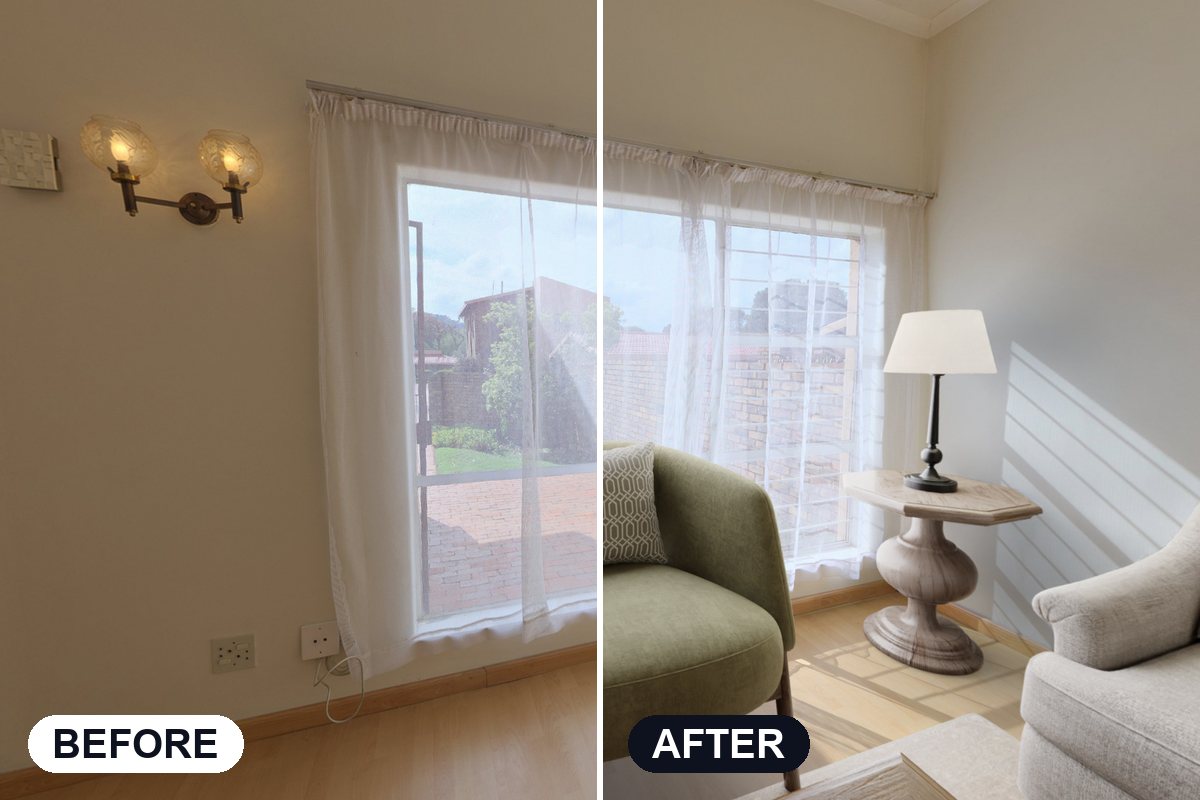
Virtual staging has become a powerful tool for modern real estate teams.
Benefits include:
Platforms like Apply Design allow teams to generate realistic, on brand staging visuals that elevate listings without logistical complexity.
The best staging goes beyond furniture placement. It communicates a lifestyle.
Think about:
When buyers emotionally connect with a lifestyle, value perception increases.
Staging is one of the highest ROI investments in real estate marketing. By focusing on clarity, neutrality, lighting, and strategic presentation, sellers and agents can significantly improve listing performance.
Whether using physical staging, virtual staging, or a hybrid approach, following these best practices helps properties stand out, sell faster, and achieve stronger results.
If you want to scale staging across listings while maintaining consistency and speed, modern design tools can make all the difference.