When preparing to sell a home, one of the most common recommendations from real estate professionals is home staging. Staging is a strategy used to make a property look more appealing to potential buyers by presenting it in the best possible way.
The concept is simple. When buyers walk into a home or view listing photos online, they want to imagine themselves living there. A staged home helps create that vision by arranging furniture, décor, and layout in a way that highlights the property's strengths.
In today’s real estate market, where most buyers start their search online, presentation plays a critical role. Homes with attractive photos tend to receive more attention, more showings, and often sell faster than homes that appear empty or cluttered.
Home staging helps transform a property from simply a house into a home that buyers can emotionally connect with.
This guide explains what home staging is, what it typically involves, how much it costs, and why it can be one of the most effective tools when selling a property.
Home staging is the process of preparing a home for sale by improving how it looks to potential buyers. The goal is to make the property appear welcoming, functional, and move-in ready.
Instead of focusing on the current owner's personal style, staging creates a neutral environment that appeals to a wide range of buyers.
Home staging can include several different improvements, such as:
By doing this, staging helps buyers see how each space in the home could be used.
For example, an empty bedroom might feel small or confusing. Once staged with a bed, nightstands, and lighting, the same room feels complete and functional.
Staging helps demonstrate how the home can be lived in.
Home staging matters because buyers often make decisions based on emotional impressions.
Most buyers start their home search online and quickly scroll through listings. If photos do not stand out, buyers may move on to the next property without scheduling a showing.
Staging improves the visual appeal of listing photos and helps properties stand out in competitive markets.
Several benefits make staging valuable for sellers.
First, staged homes tend to attract more buyer interest. Well designed spaces look more appealing and inviting in listing photos.
Second, staging helps buyers understand the layout of the home. Furniture placement shows how rooms can be used and how much space is available.
Third, staging creates a positive first impression during showings. When buyers walk into a well staged home, it feels more polished and welcoming.
Together, these advantages can help generate more showings and increase the likelihood of receiving offers.
Home staging can range from small improvements to full interior design transformations depending on the home and budget.
Most staging projects focus on the areas of the home that influence buyers the most.
Common staging steps include:
Decluttering
Removing excess items helps rooms appear larger and cleaner. Personal photos, collections, and unnecessary furniture are often removed so buyers can focus on the home itself.
Cleaning and Repairs
Deep cleaning and minor repairs can make a big difference. Clean carpets, fresh paint, and well maintained fixtures help create a move-in ready impression.
Furniture Arrangement
Furniture may be rearranged to improve the flow of each room. This helps buyers understand how the space functions and makes rooms appear more open.
Adding Decorative Elements
Decor such as artwork, pillows, rugs, plants, and lighting can add warmth and style to a room.
Highlighting Key Spaces
Staging often focuses on rooms that have the greatest impact on buyers. These usually include the living room, kitchen, dining room, and primary bedroom.
By concentrating on these areas, sellers can maximize the visual impact of staging.
Not every room in a house needs extensive staging, but some areas are especially important when selling a home.
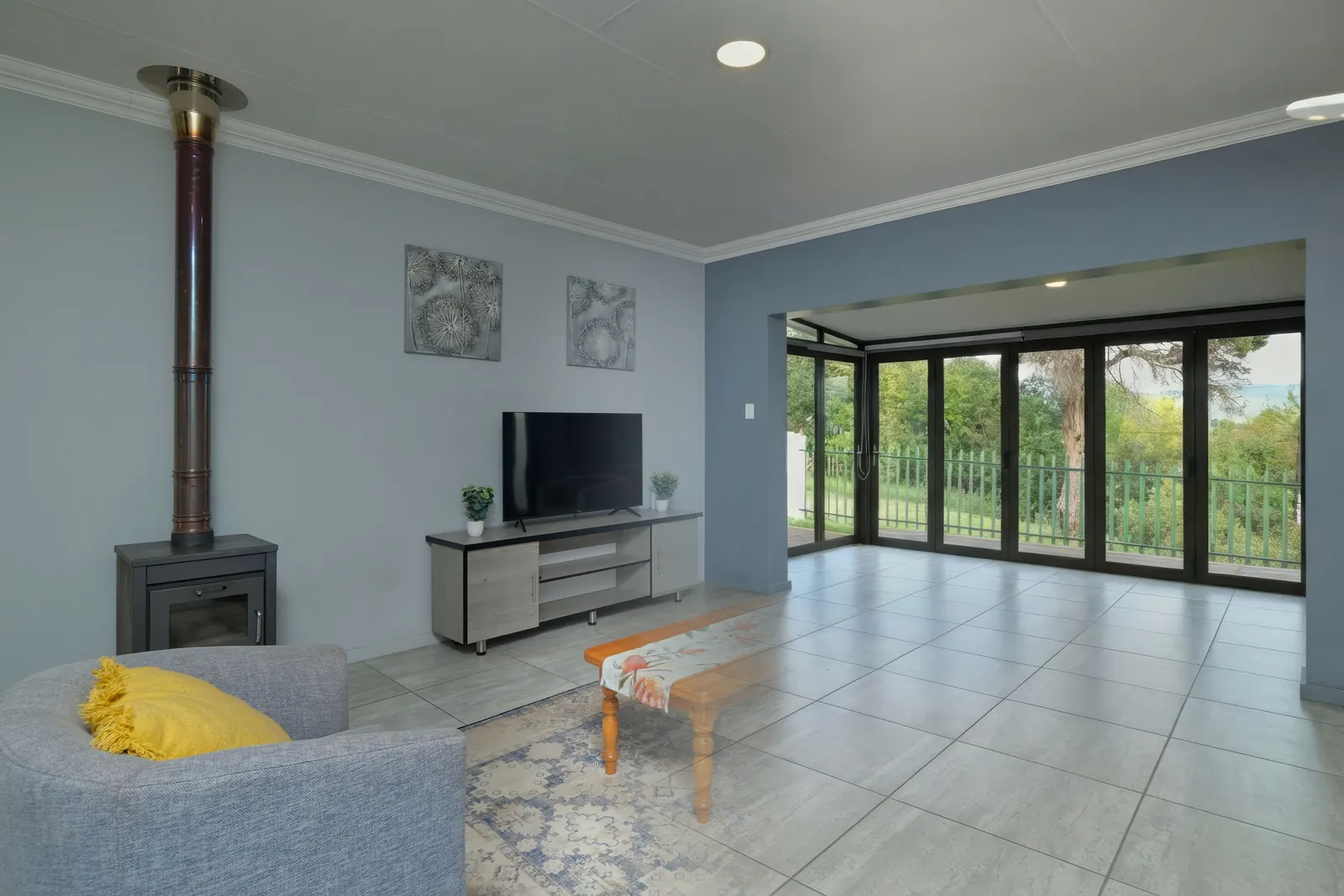
The living room is often the first space buyers notice. Staging helps define the layout and makes the space feel comfortable and welcoming.
The primary bedroom is another key area. Buyers want to imagine relaxing and sleeping in the home, so a calm and inviting bedroom design can be very effective.
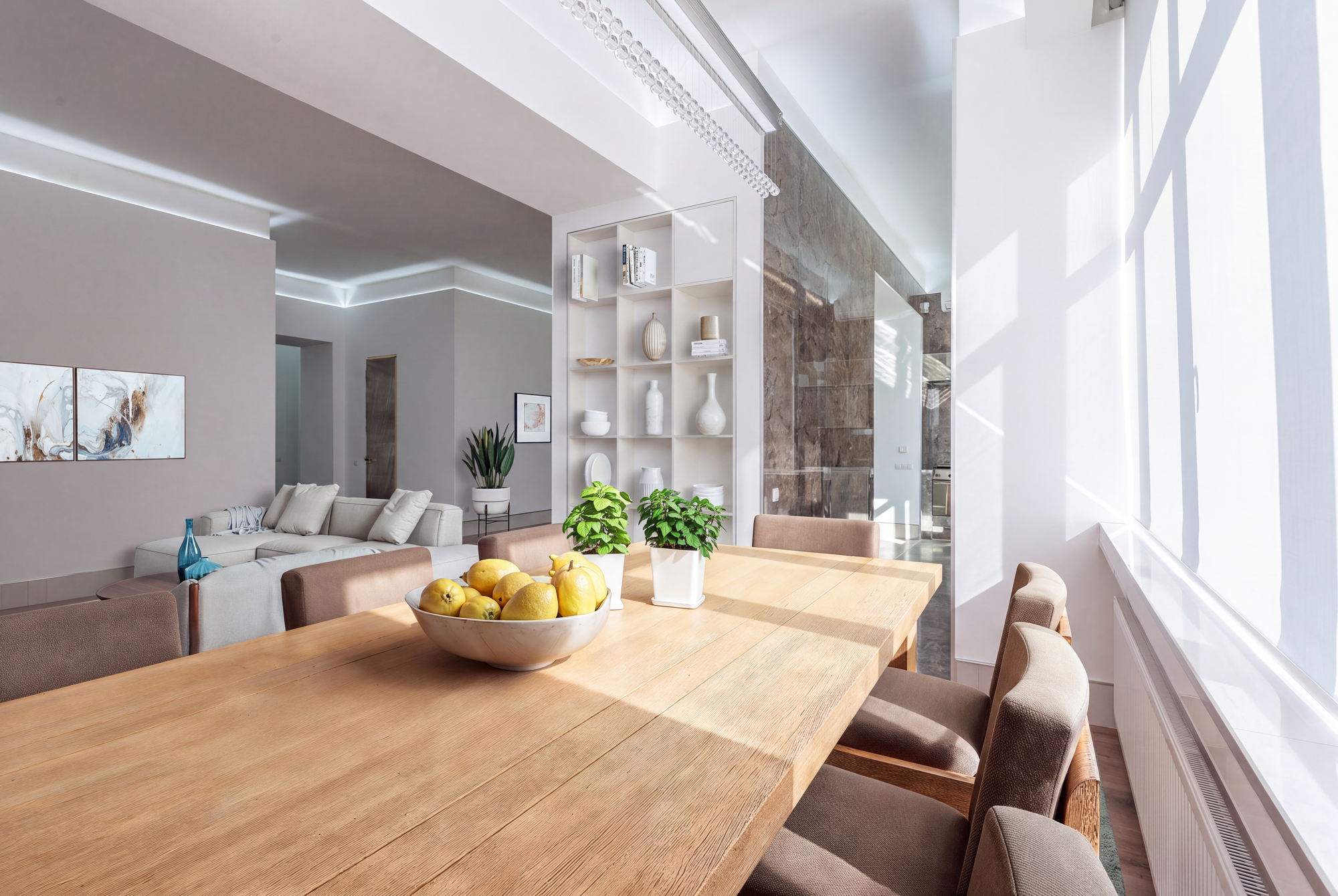
Dining rooms benefit from staging because they demonstrate how the space can be used for entertaining or family meals.
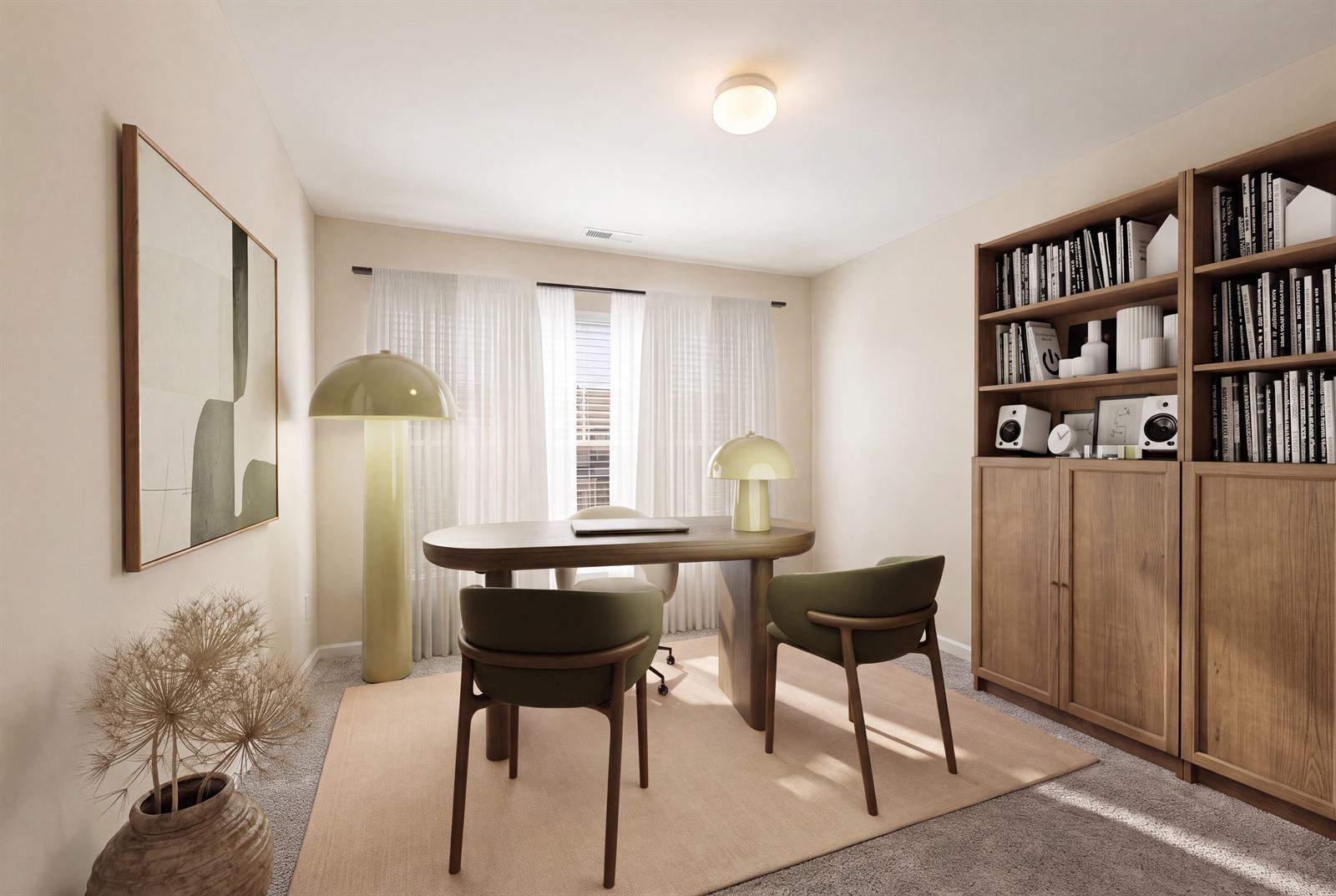
Home offices have also become more important as remote work has grown. Staging an office area can help buyers picture themselves working from home.
When these spaces are styled well, they help tell the story of the home.
The cost of home staging varies widely depending on the size of the property and the type of staging used.
Traditional home staging often involves renting furniture and décor for the home. Professional staging companies may also handle design planning, furniture delivery, and setup.
Costs can range from several hundred dollars to several thousand dollars depending on the property.
Factors that influence staging cost include:
While traditional staging can be effective, it can also be expensive and time consuming.
Virtual home staging is a modern alternative that allows real estate professionals to stage homes digitally.
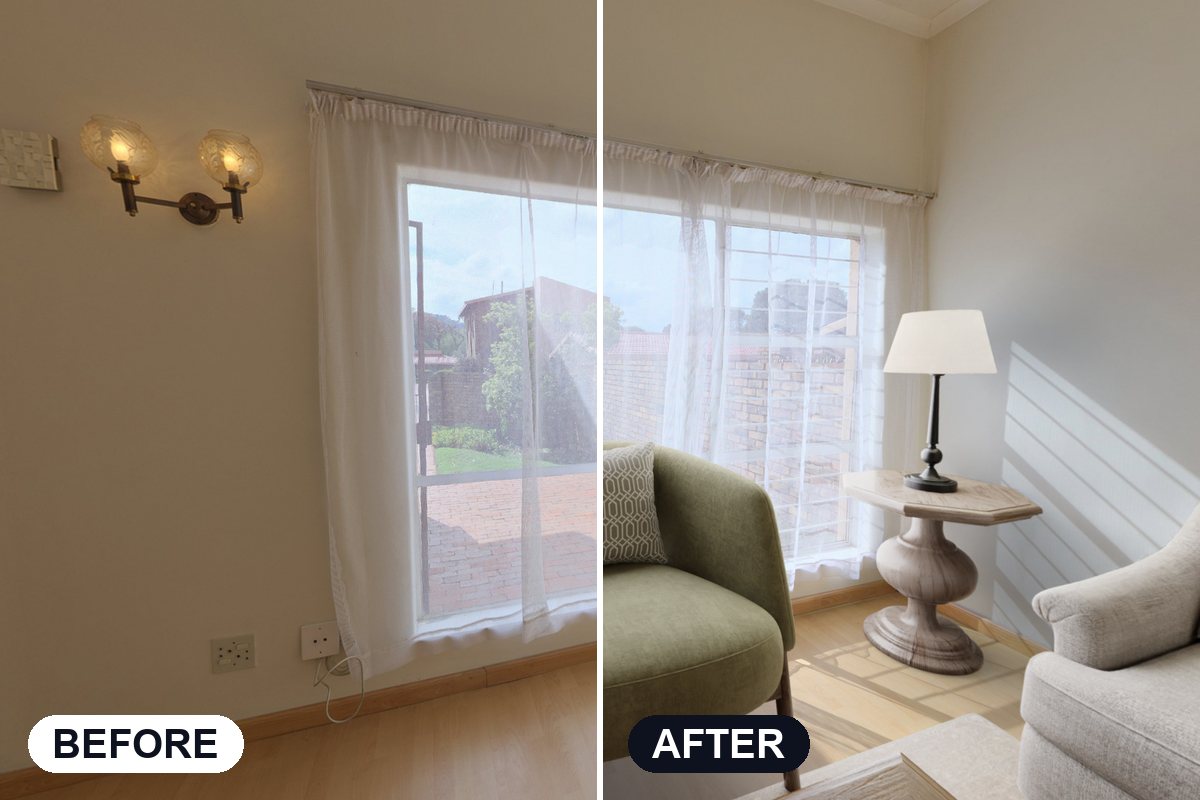
Instead of physically placing furniture inside the home, virtual staging adds furniture and décor to property photos using software.
With virtual staging, users upload listing photos and place digital furniture inside each room. The result is a realistic staged image that can be used for online listings and marketing materials.
This approach offers several advantages.
Virtual staging is usually much more affordable than traditional staging because there are no furniture rentals or delivery costs.
It is also much faster. Digital staging can often be completed within minutes instead of days.
Another benefit is flexibility. Different design styles can be tested easily to see what looks best for the listing.
Many real estate professionals now use virtual staging tools such as Apply Design to generate realistic staged images quickly and improve listing presentation.
Many sellers wonder whether staging is truly worth the investment.
In many cases, staging can help a home sell faster and attract stronger buyer interest. Because buyers often make quick judgments based on listing photos and first impressions, visual presentation plays an important role.
Staging helps highlight the best features of the home while minimizing distractions.
It can also help buyers visualize how rooms should be used, which may increase their confidence in the property.
Even modest staging improvements such as decluttering, rearranging furniture, and adding décor can make a noticeable difference in how buyers perceive the home.
For sellers who want their property to stand out in a competitive market, staging can be a valuable marketing tool.
If you plan to stage your home before selling, several simple strategies can help maximize results.
Start by decluttering every room. Clean, open spaces help buyers focus on the home rather than the belongings inside it.
Use neutral colors and décor so the home appeals to a wide range of buyers.
Improve lighting wherever possible. Bright spaces tend to feel larger and more welcoming.
Remove overly personal décor such as family photos or bold design choices that may not appeal to everyone.
Finally, focus on the rooms that matter most. A well staged living room, kitchen, and primary bedroom often have the biggest impact on buyers.
Home staging continues to evolve as technology improves.
Virtual staging tools now allow real estate professionals to transform empty rooms into fully furnished spaces within minutes. These tools provide large furniture libraries and design templates that make it easy to create professional looking listing photos.
As online home searches continue to dominate the buying process, visual presentation will remain one of the most important aspects of real estate marketing.
Staging helps ensure that a property makes a strong first impression both online and in person.
Home staging is one of the most effective ways to prepare a home for sale.
By improving the visual appeal of a property, staging helps buyers imagine themselves living in the space. This emotional connection can lead to greater buyer interest and potentially faster sales.
Whether done through traditional furniture staging or modern virtual staging tools, the goal is the same. Present the home in a way that highlights its strengths and makes it easy for buyers to see its potential.
For homeowners, agents, and real estate photographers, staging remains one of the most powerful tools for successful property marketing.