In today’s highly competitive real estate market, first impressions happen online. Buyers scroll through property listings quickly, often deciding within seconds whether a home is worth further exploration. Because of this, how a property is presented visually has become one of the most important factors in successful real estate marketing.
This is where staging plays a critical role.
Staging transforms empty or outdated spaces into inviting environments that help buyers visualize themselves living in the property. Instead of seeing a blank room, potential buyers see a fully realized home.
Modern technology has also transformed staging practices. While traditional staging once required furniture rentals, moving crews, and significant expense, virtual staging tools now allow real estate professionals to stage homes digitally in minutes.
In this guide, we’ll explore:
If you want to attract more buyers and make your listings stand out, understanding staging is essential.
Staging is the process of preparing a property for sale by enhancing its visual appeal and helping potential buyers imagine living in the space.
This can include:
The goal of staging is simple: show the property’s full potential.
An empty or poorly furnished room can make it difficult for buyers to visualize scale, layout, and functionality. Staging solves this by presenting a clear vision of how the space could look when furnished and lived in.
For example:
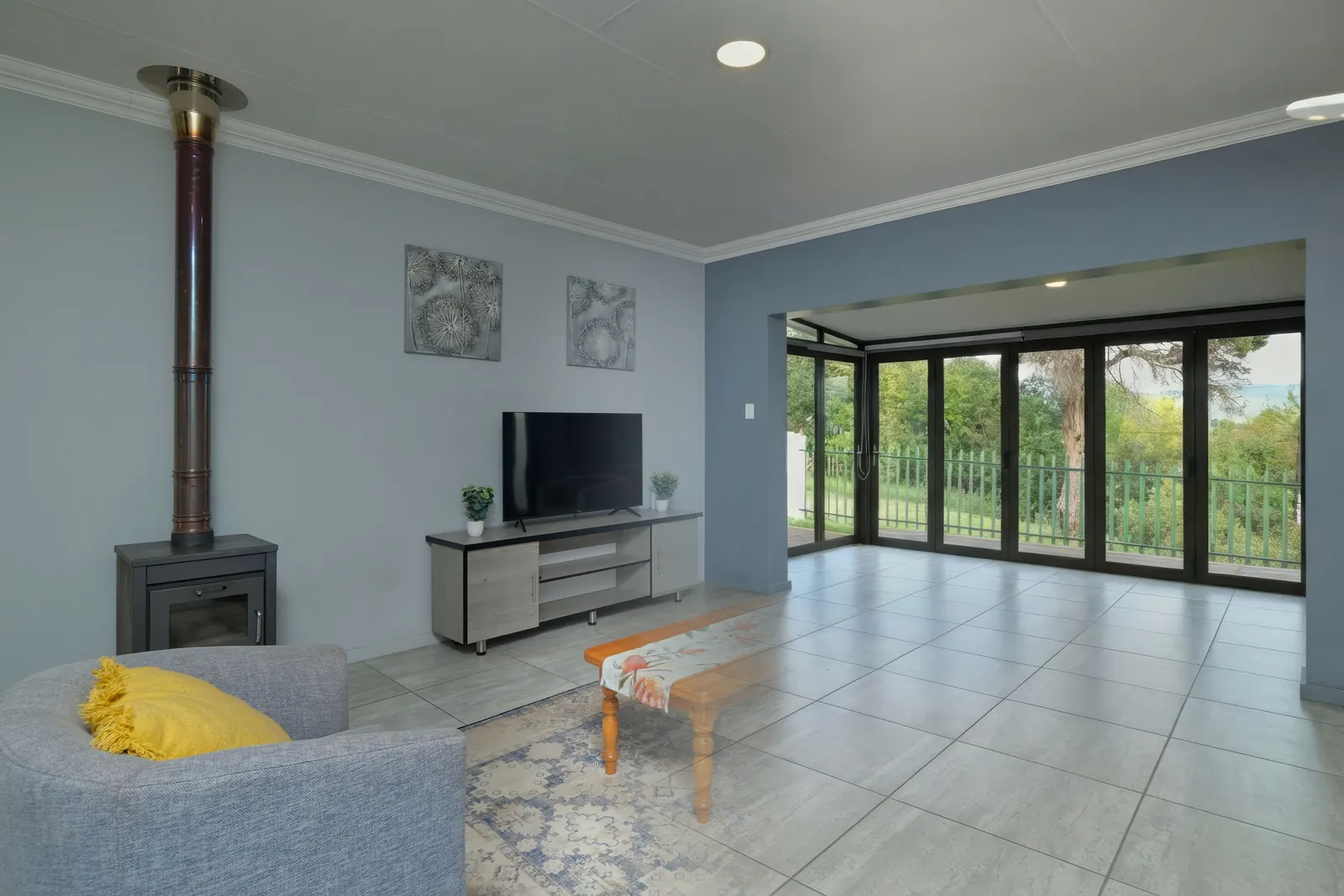
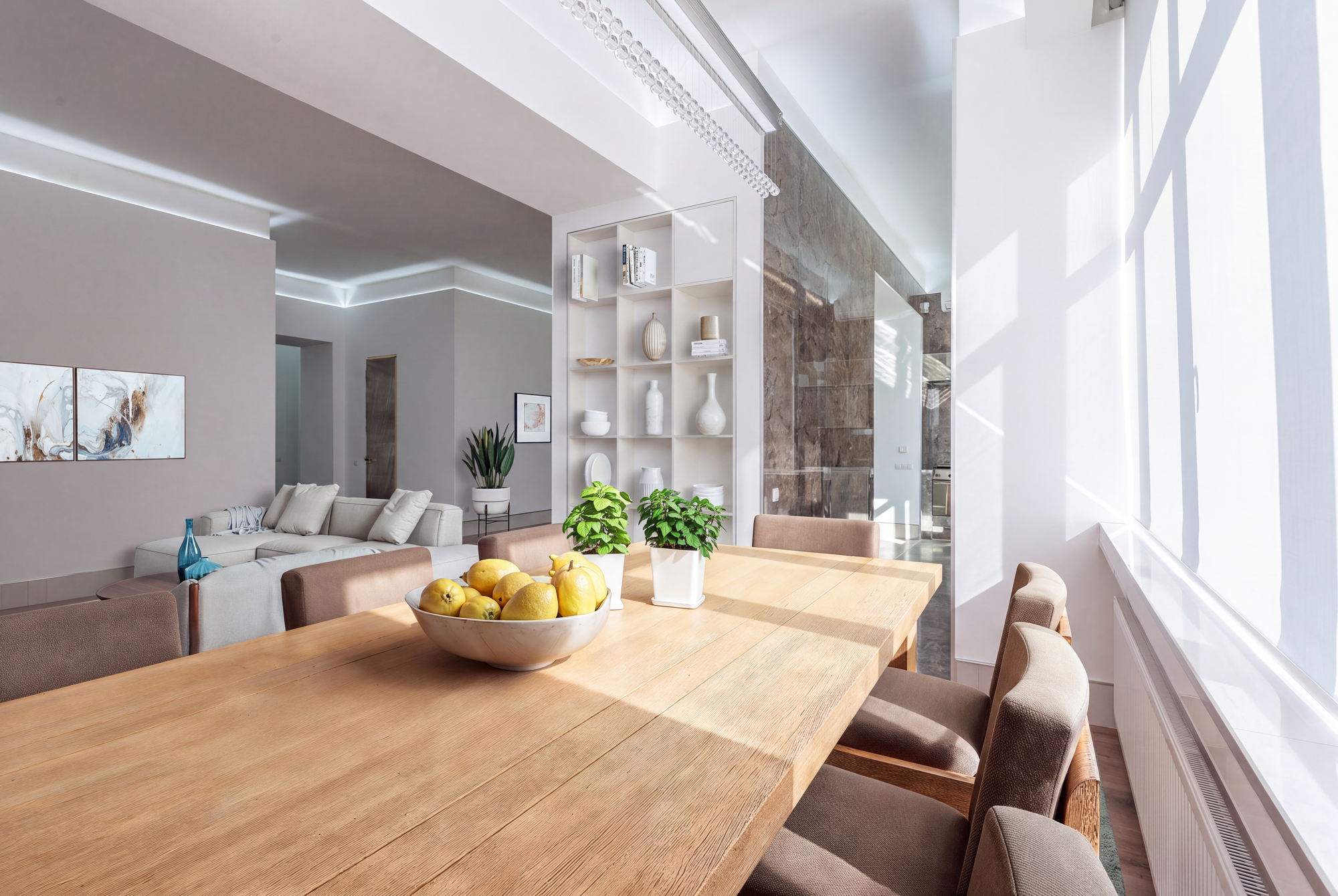
A large empty living room might feel cold or confusing to buyers. Once staged with a sofa, coffee table, rug, and artwork, the same room instantly becomes welcoming and understandable.
Staging helps tell the story of the home.
Real estate marketing has shifted dramatically toward digital platforms. Most buyers now discover properties online before scheduling showings.
Because of this, listing photos have become the most important marketing asset.
Staged homes consistently outperform unstaged homes in terms of:
When a listing includes professionally staged images, buyers are more likely to engage with the property because the space looks polished, aspirational, and move-in ready.
Staging also helps properties stand out in crowded listing platforms where hundreds of homes compete for attention.
There are several types of staging used in modern real estate marketing. Each method has advantages depending on budget, timeline, and listing strategy.
Traditional staging involves physically furnishing the property with rented furniture and décor.
Professional stagers bring in:
While traditional staging can produce beautiful results, it often requires:
This approach can cost thousands of dollars depending on the size of the property.
Partial staging focuses on furnishing only key rooms rather than the entire home.
Most commonly staged areas include:
This approach reduces cost while still highlighting the most important spaces.
Virtual staging has quickly become one of the most popular staging methods in modern real estate.
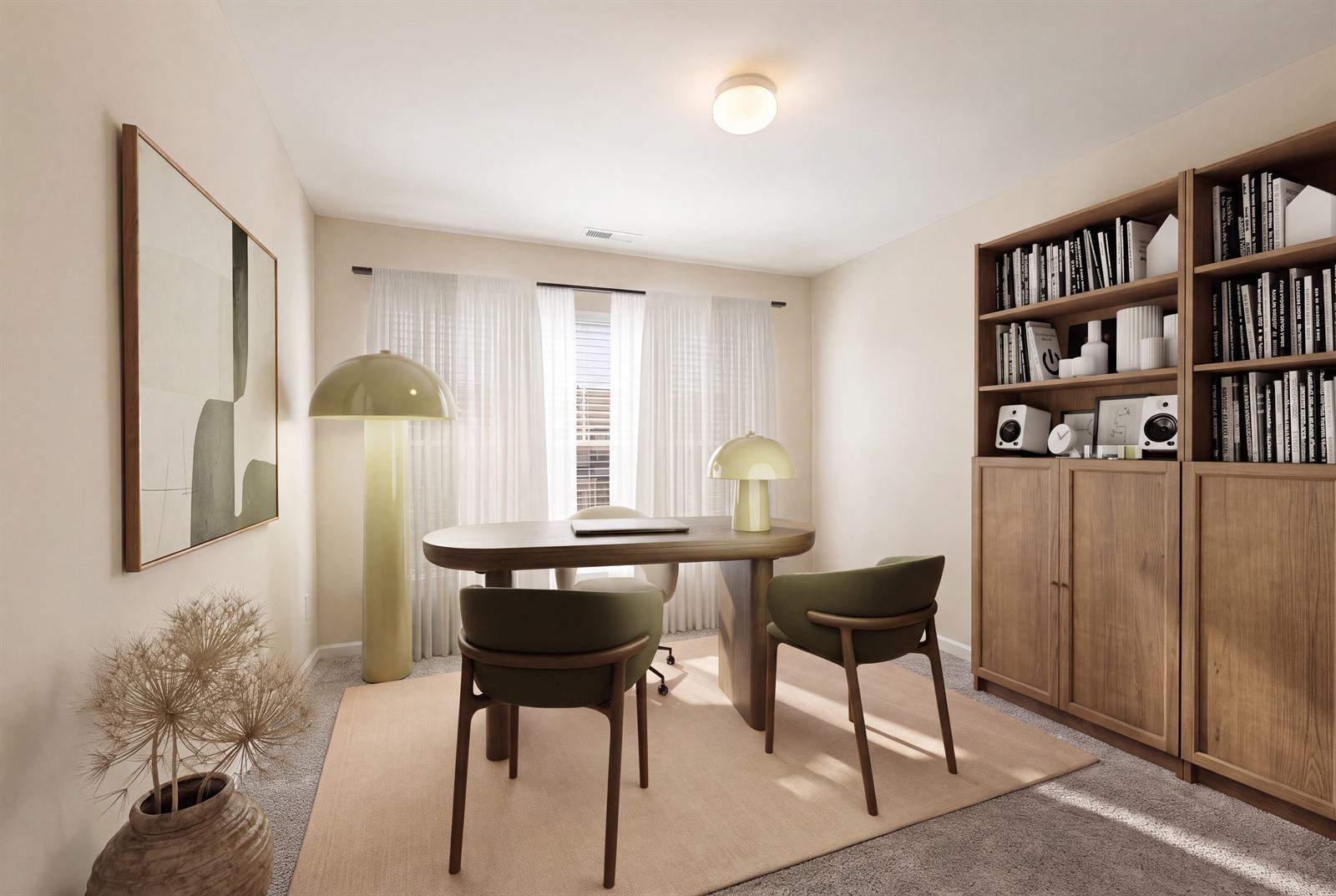
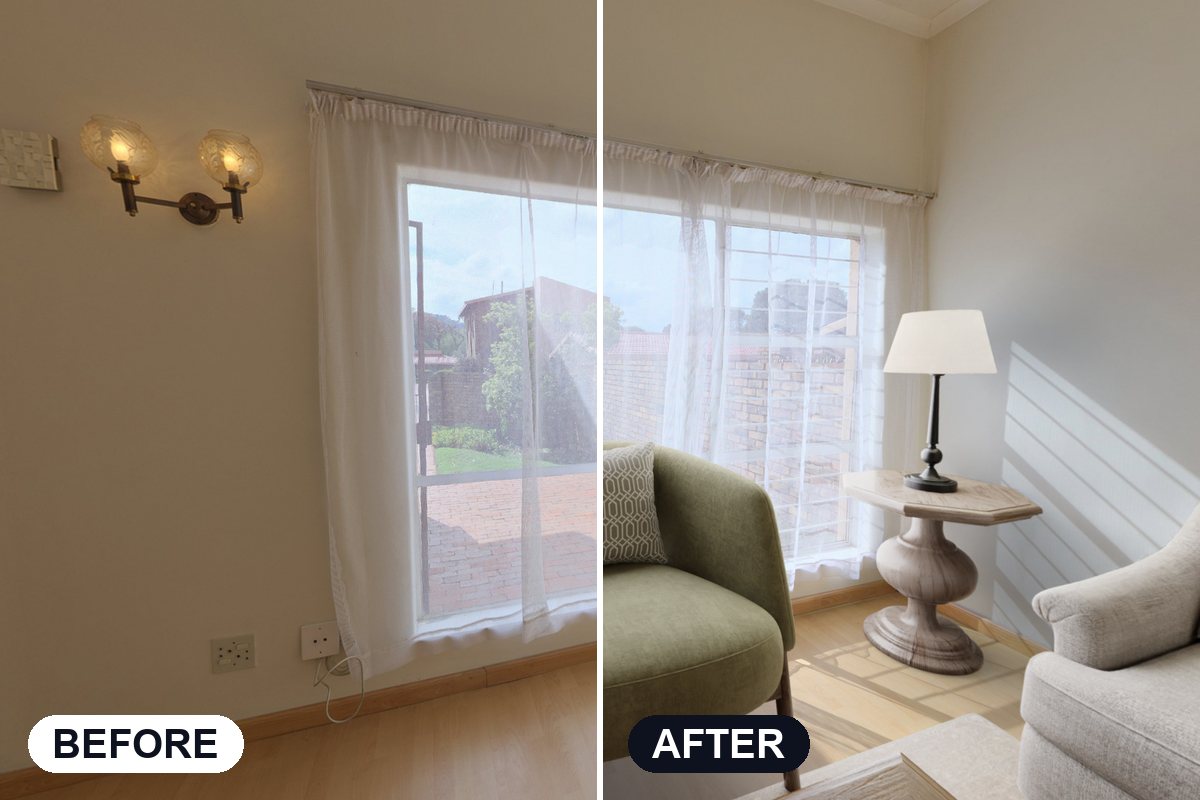
Instead of physically placing furniture in a property, virtual staging digitally adds furniture and décor to listing photos.
Using specialized software, real estate professionals can:
Virtual staging allows users to produce professional staging results without the expense or logistics of physical furniture. Many tools also allow revisions and customization to fit the property's style and target buyer demographic.
Modern virtual staging platforms can deliver staged images within minutes instead of days.
One of the biggest reasons staging works so well is its impact on buyer psychology.
People rarely buy homes based solely on square footage or features. They buy based on emotional connection.
Staging helps create that connection.
When buyers view staged spaces, they can:
This emotional response increases engagement with the property and improves the chances of scheduling a showing.
Staging also reduces uncertainty. Empty spaces often create questions like:
Staging answers those questions visually.
Staging offers several advantages for agents, photographers, and property owners.
Homes that are staged tend to sell faster because buyers can clearly understand the property’s potential.
Properties that stay on the market too long often face price reductions, making staging a worthwhile investment.
Staged homes often appear more polished and well-maintained. This can influence buyer perception and sometimes support higher listing prices.
Listings with professionally staged images attract more engagement online.
Buyers browsing property platforms are more likely to click on visually appealing listings.
Staged images provide better marketing materials for:
High-quality visuals significantly increase engagement across marketing channels.
As technology continues to evolve, digital staging has become a powerful tool in real estate marketing.
Modern staging software uses advanced rendering technology to generate photorealistic furniture and design elements that blend naturally with property photos.
This allows real estate professionals to create compelling marketing visuals quickly and affordably.
Compared to traditional staging, digital staging offers:
Some platforms allow users to stage properties themselves with intuitive drag-and-drop editors and large furniture libraries.
These tools make staging accessible even for professionals without interior design experience.
Whether you choose physical staging or digital staging, following best practices can significantly improve results.
Neutral design styles appeal to the widest range of buyers. Avoid overly bold or personalized décor choices.
Focus staging efforts on the most important areas:
These spaces have the biggest impact on buyers.
Staging should enhance the property while remaining realistic and accurate to the actual layout.
Overly dramatic edits or unrealistic designs may reduce buyer trust.
Design choices should align with the likely buyer demographic.
For example:
Real estate technology continues to advance rapidly.
Today, AI-powered staging platforms allow users to stage properties in just minutes, helping agents and photographers produce professional marketing visuals without specialized design skills.
These tools also provide access to thousands of furniture options and design styles, enabling listings to match different buyer preferences.
As digital marketing continues to dominate the real estate industry, staging will only become more important.
Properties that combine high-quality photography with professional staging consistently outperform those that do not.
Staging has become one of the most powerful tools in real estate marketing.
By transforming empty or outdated spaces into inviting, well-designed environments, staging helps buyers visualize a property’s full potential.
Whether done physically or digitally, staging improves listing performance, increases buyer engagement, and helps properties sell faster.
As technology continues to evolve, digital staging solutions are making it easier than ever for real estate professionals to produce high-quality marketing visuals quickly and affordably.
For agents, photographers, and homeowners looking to maximize the impact of their listings, staging is no longer optional. It’s essential.